Screen in the candidate's language, read it in yours
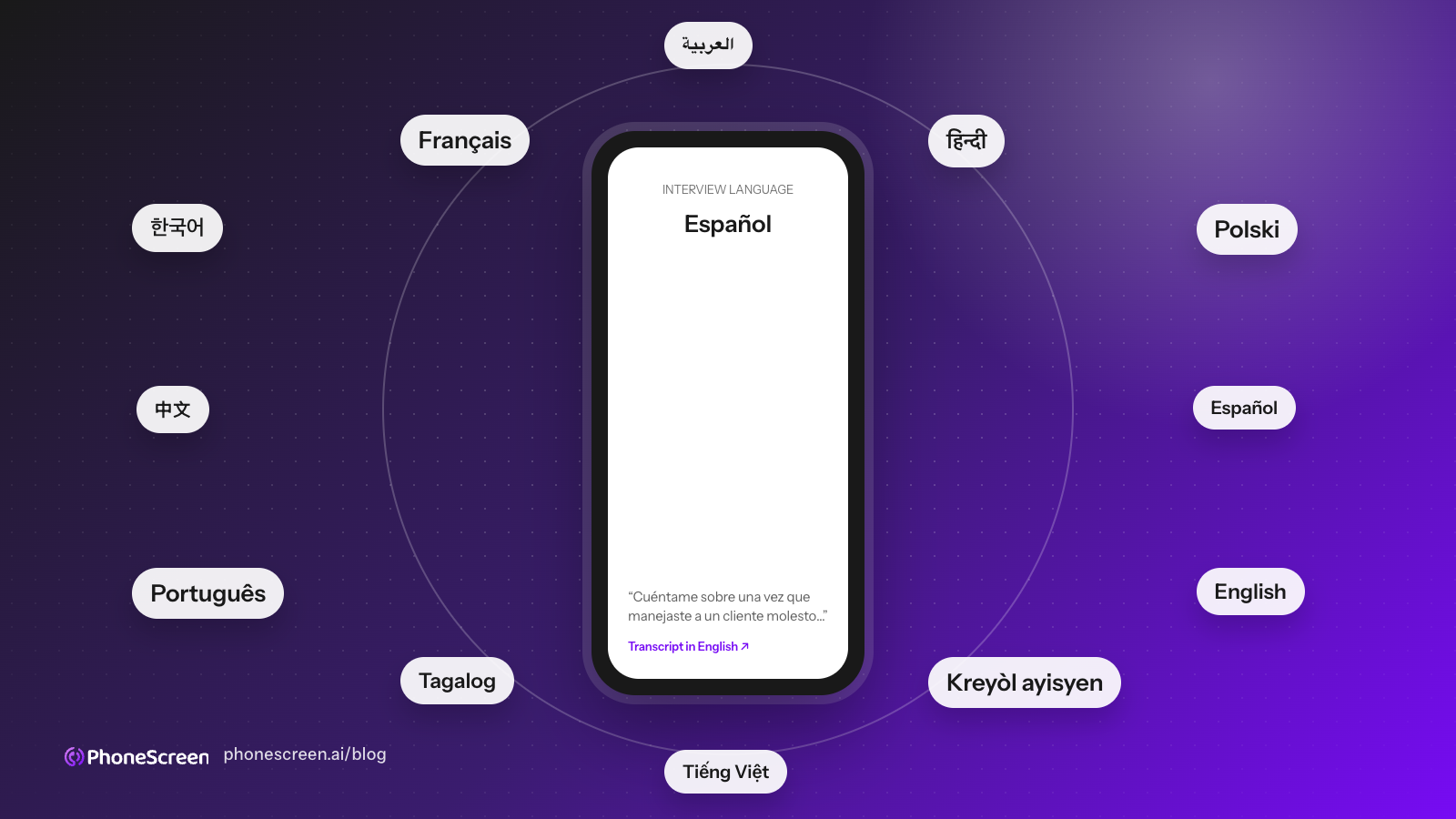
Candidates pick from 34 languages before they call. The interview runs entirely in that language, and the recruiter reads an English transcript and scorecard.
· 2 min read · by the PhoneScreen.AI team
A caregiver whose first language is Spanish is not a weaker candidate because her English interview is halting. But that is how she reads on a screen conducted in English. The best answer she has ever given about handling a difficult client is the one she will give in Spanish.
So we let her give it in Spanish.
How language works on a screen
When a candidate opens the apply link, the form asks which language they would like to interview in, if the role allows it. English, Spanish, Portuguese, Haitian Creole, Tagalog, Vietnamese, and about thirty more. They pick, they call, and the interviewer speaks that language from the first word: greeting, questions, follow-ups, and goodbye.
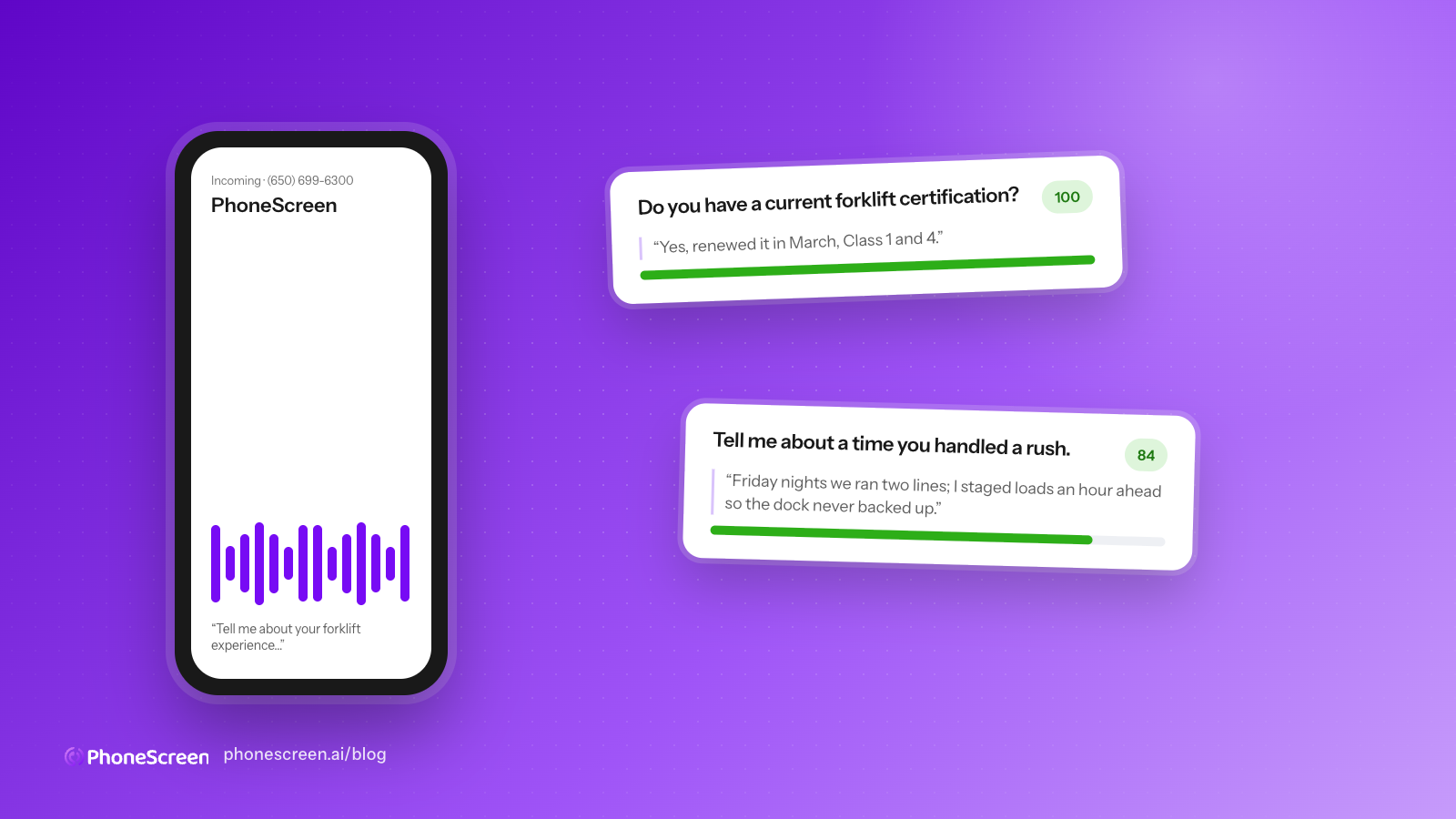
The recruiter’s experience does not change. The scorecard is in English. The transcript is in English, with the original language one click away for anyone who reads it. Scores are produced from the candidate’s actual words, not from a second-hand translation of a nervous English attempt.
Turning it on
It is one checkbox on the role: “Let candidates answer in their preferred language.” Leave it on and the apply form shows the picker. Turn it off for roles where English proficiency is itself a requirement, and the interview runs in English only.
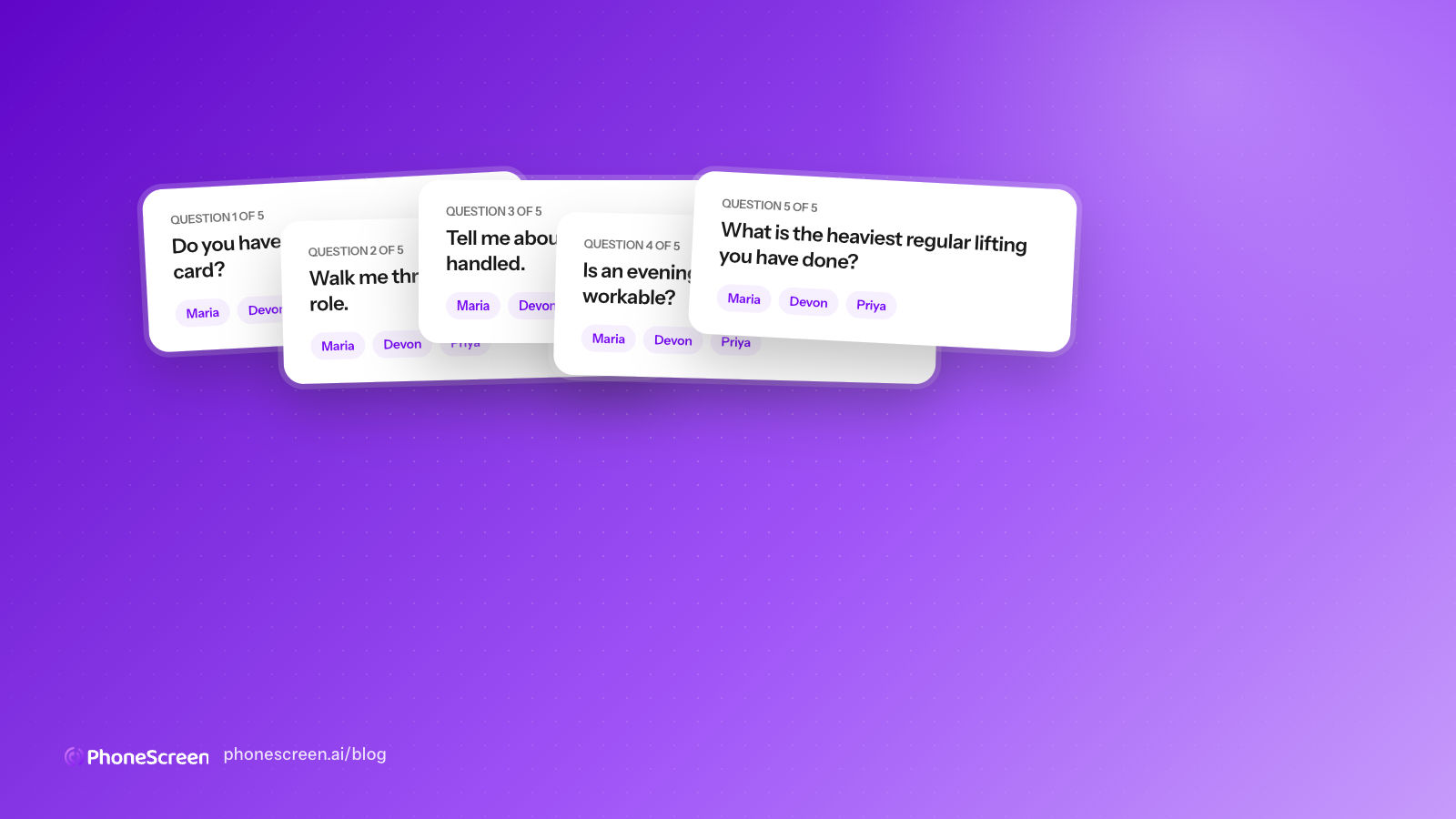
There is no per-language setup, no separate script, no extra cost. Your five questions are the questions in every language.
The point is not to test whether someone can interview in English. It is to find out whether they can do the job.
What changes in the results
Teams that turn this on for roles with a lot of bilingual applicants see two things. Completion rates go up, because candidates who would have hung up on an English interview finish a Spanish one. And answers get longer and more specific, which makes the scorecard more useful.
The other thing that changes is who gets to the human interview. Recruiters tell us they meet candidates they would have screened out on the phone without ever learning what those candidates knew.
The fine print
- Scores are comparable across languages because the rubric is applied to the meaning of the answer, not its wording.
- Recordings are kept in the original audio. Nothing is dubbed.
- If a candidate switches language mid-call, the interviewer follows.
Where this matters most
Home care, restaurants, warehouses, construction, hospitality. Anywhere the workforce is multilingual and the hiring manager is not. If that is your world, the checkbox is on by default for new roles. Share the link and see what your candidates say when they can say it properly.
Curious what the candidate hears?
Take the three-question sample screen for a paper sales job at Dunder Mifflin. Your scorecard lands in your inbox.